
 Connect with Google
 Connect with Facebook
Professional TPU 3D Printing Service
Produce flexible, durable and wear-resistant parts with our SLS and MJF technologies. From 1 - 10k parts.
- ISO 9001
- Fast Turnaround
- Secure File Upload
Login
If you have any trouble logging in to your account, contact us.
Sign Up
To start 3D printing or Laser Cutting, you'll need to create an account here. Once done, you'll be able to upload your files and get live quotes of yours parts
Already have an account? Log In
Produce flexible, durable and wear-resistant parts with our SLS and MJF technologies. From 1 - 10k parts.
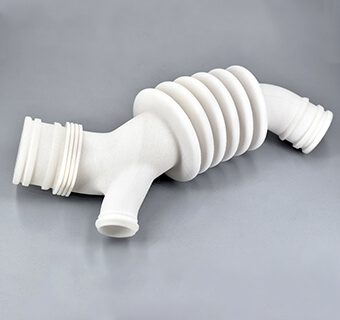
TPU (Thermoplastic Polyurethane) is a flexible polymer material used in additive manufacturing. This engineering-grade thermoplastic combines the strength of plastic with the elasticity of rubber, resulting in parts that are both durable and flexible. TPU is ideal for producing components that require shock absorption, high elasticity, and resistance to wear or fatigue.
In 3D printing, TPU is commonly processed through SLS (Selective Laser Sintering) or MJF (Multi Jet Fusion) technologies. These methods build parts layer by layer by fusing fine TPU powder particles, creating precise, high-quality parts with excellent surface finish and performance.
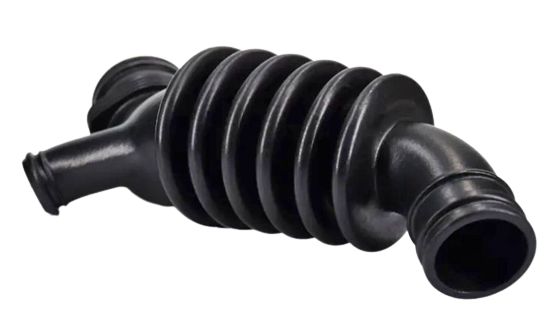
Whether for functional prototypes or large-scale production, 3D printing with TPU delivers durable, elastic components that combine strength, flexibility, and precision for industrial applications.
Flexible and Elastic
TPU offers exceptional elasticity, with a Shore hardness of 88 – 90 A , ideal for parts requiring bend, stretch, and recovery.
Durable Performance
Combining flexibility with strength, TPU provides high wear, impact, and fatigue resistance, ensuring long-lasting performance even under stress or repeated use.
Thermal Stability
With a heat deflection temperature of up to 120-150°C, TPU maintains mechanical integrity across a broad temperature range, suitable for demanding environments.
Abrasion Resistance
TPU is resistant to oils, greases, and abrasion, making it perfect for industrial components, seals, and housings exposed to harsh conditions.
Precision Manufacturing
3D printed TPU parts achieve fine detail and smooth surface quality, with a minimum wall thickness of 0.8 mm for both SLS and MJF processes.
Design Versatility
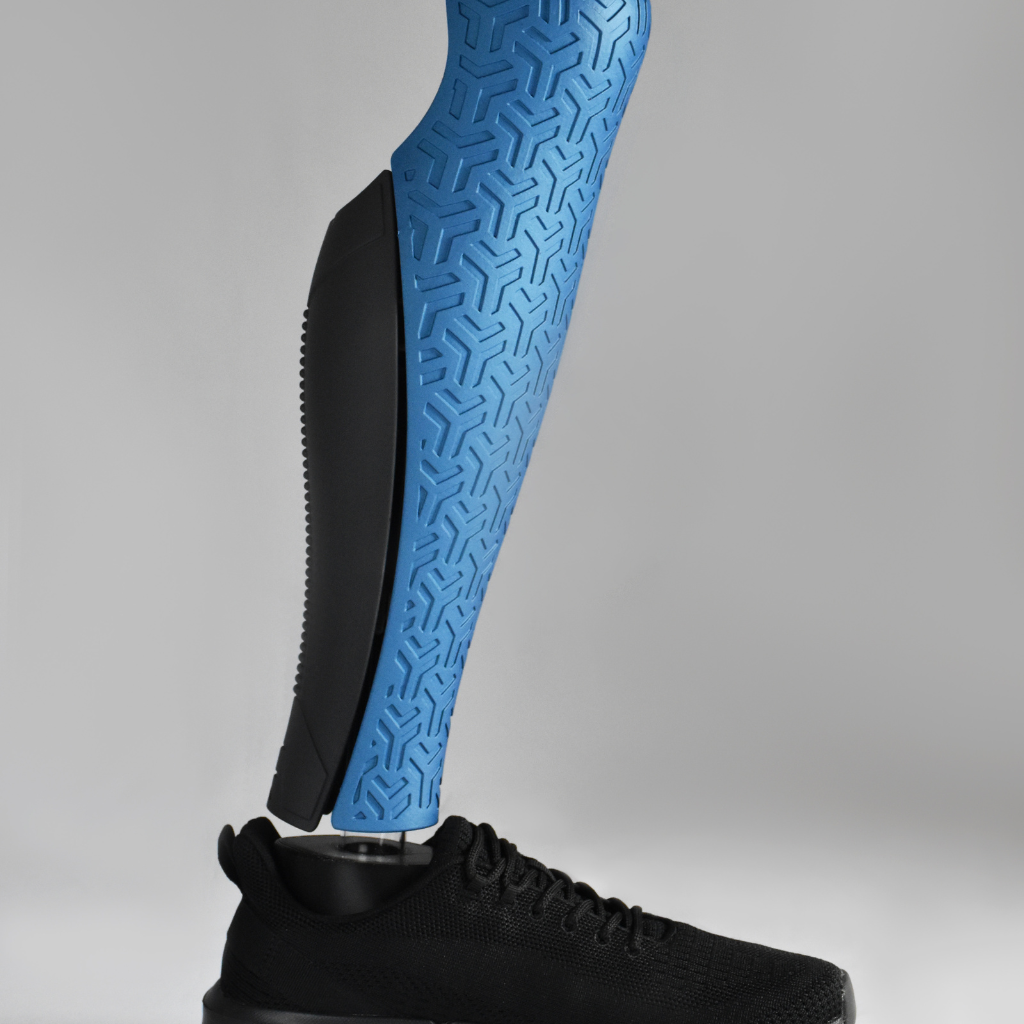
From lattice structures to shock-absorbing geometries, TPU enables lightweight, flexible designs across industries, including automotive, footwear, and robotics.
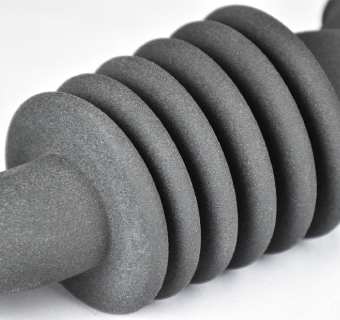
While using SLS you can access numerous finishing option to give your an unique look and a high quality surface to your 3D printed parts
Thermoplastic Polyurethane (TPU) is a versatile, high-performance polymer that combines strength, elasticity, and durability, making it an ideal material for 3D printing. TPU enables designers, engineers, and manufacturers to produce parts that are simultaneously robust and flexible, meeting demanding industry standards. TPU 3D printing unlocks a wide range of possibilities from rapid prototyping of functional, shock-absorbing components to mid- and large-scale production, as well as mass customization. Its flexibility allows for complex geometries, variable-thickness designs, and lightweight lattice structures, providing both functional performance and innovative aesthetics. This material is particularly valuable across industries such as automotive, industrial equipment, sports gear, footwear, and fashion, where durable, adaptable, and customizable components are essential. Professional 3D printing services, including solutions like Ultrasint® TPU01 and TPU 88A, deliver high-quality, precise, and resilient TPU parts without the need for costly in-house equipment. By leveraging TPU 3D printing, businesses can accelerate prototyping, optimize production workflows, and deliver tailored solutions, combining innovation, efficiency, and scalability in one streamlined process.
When choosing a material for 3D printing, understanding how TPU compares to other common polymers is essential. Each material offers specific mechanical and functional properties that make it better suited for certain applications. TPU stands out for its flexibility and resilience, while materials like PA12 or PA11 provide higher rigidity or thermal stability, depending on project needs.
| Property | TPU (Ultrasint® TPU01 / TPU 88A) | PA12 | Ultrasint® PA11 | Ultrasint® PA11 CF |
| Flexibility | Very high, rubber-like | Medium, semi-rigid | Moderate, tough | Very low, rigid |
| Strength | Moderate, elastic strength | High mechanical strength | High impact strength | Very high, reinforced |
| Durability | Excellent fatigue resistance | Good long-term durability | Excellent wear resistance | Superior stiffness & wear |
| Chemical Resistance | Resistant to oils, grease | Good chemical stability | Excellent chemical resistance | High chemical resistance |
| Applications | Flexible lattices, footwear, seals | Functional prototypes, housings | Outdoor parts, medical use | Industrial, structural parts |
TPU remains the material of choice when elasticity, shock absorption, and design freedom are top priorities. In contrast, PA12 and PA11 are preferred for applications requiring rigidity, dimensional stability, or higher structural performance. For projects demanding extreme stiffness and reinforcement, PA11 CF offers the best results. Ultimately, the right material depends on the balance between flexibility, strength, and environmental resistance needed for your application.
| Property | TPU SLS | TPU MJF |
| Maximum Part Size | 196 × 176 × 315 mm | 274 × 370 × 380 mm |
| Hardness (Shore A) | 88–90 | 88–90 |
| Tensile Strength | 8 MPa | 9 MPa |
| Tensile Modulus | 75 MPa | 85 MPa |
| Elongation at Break | 270 % | 280 % |
| Charpy Impact (notched) | No break | No break |





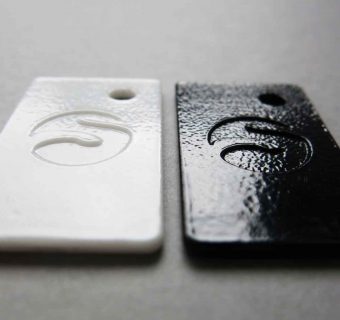
While using HP Multi Jet Fusion you can access some nice finishing option to give your an unique look and a high quality surface to your 3D printed parts
There is no strict minimum. TPU 3D printing allows on-demand production, whether you need a single prototype, a small batch, or larger series, making it ideal for both testing and production.
Ensure your model is printable, with walls at least 0.8 mm thick, and export in STL or OBJ format. TPU’s flexibility reduces the need for support structures, but it’s important to consider overhangs and functional geometries.
Yes. Professionally printed TPU parts are strong, flexible, and resistant to wear and fatigue. They are suitable for functional prototypes, industrial components, wearable devices, automotive parts, footwear, and other end-use applications requiring elasticity.
TPU parts can be bead-blasted, dyed, polished, or smoothed, enhancing surface finish or aesthetics without affecting flexibility or performance.
Lead times depend on complexity and volume. Small runs or prototypes can often be produced and shipped within a few days, while larger production runs may take longer but are still faster and more flexible than traditional manufacturing.
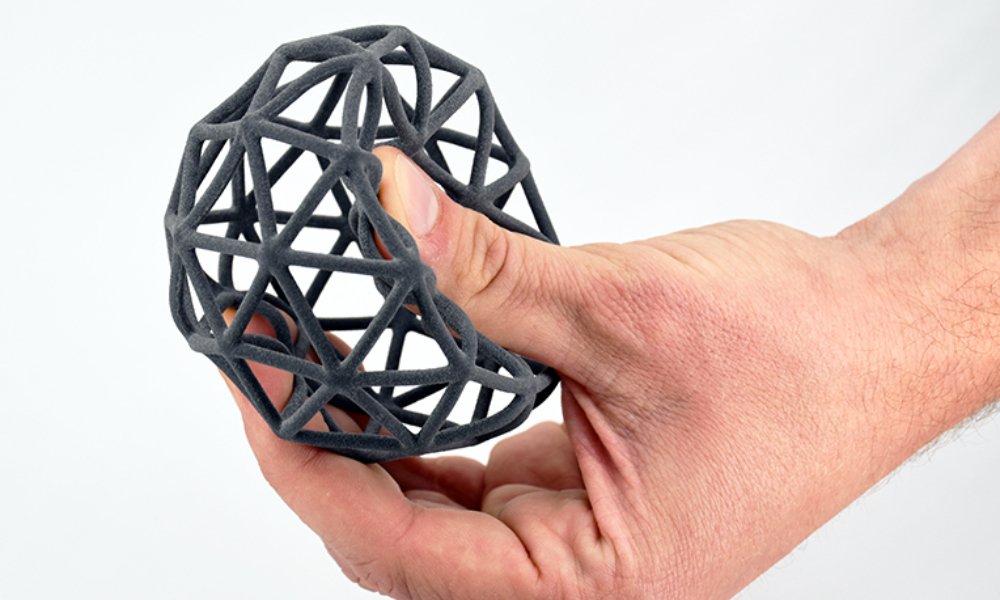
TPU is an advanced flexible material. With its impressive properties, this 3D printing material could offer you various opportunities!
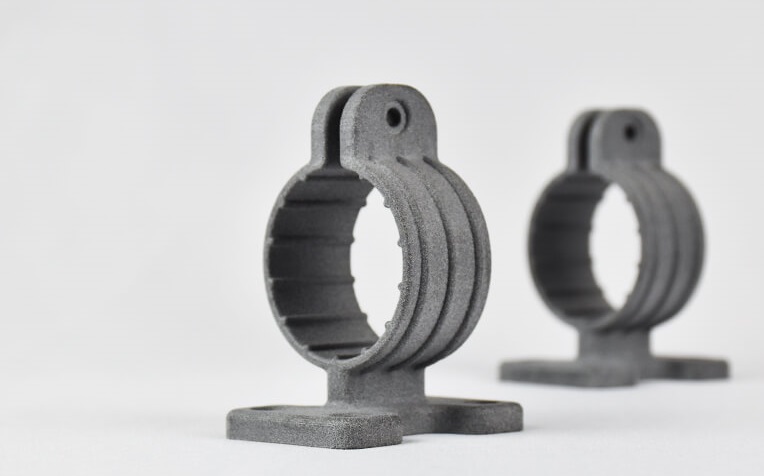
Are you looking for a plastic 3D printing technology? If you are considering MJF and SLS, let’s look more closely at their similarities and differences.
Contact our sales team for your commercial inquiries